Wedding Wellies: A Watercolor Embroidery Gem
When a new embroidery file lands in my library, my first thought is always a simple one: where would I actually stitch this? It’s a practical lens that separates a pretty graphic from a truly usable design. Today, I’m looking at the Wedding Wellies, Bouquet, Bride, Watercolor design, and I’m immediately drawn in. This isn’t just another wedding motif; it’s a soft, illustrative piece that feels full of story. The watercolor style gives it a gentle, artistic personality, perfect for projects where you want a touch of romance without heavy, formal embroidery.
The First Impression: Soft Romance & Handmade Charm
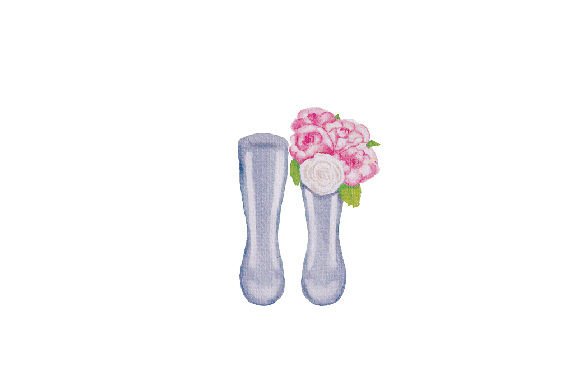
The moment you open this file, you’re greeted by a charmingly loose composition. The wellies, bouquet, and "Bride" text aren’t rigidly aligned; they flow together like a sketch. This watercolor aesthetic is a huge plus. In embroidery, it translates to softer fill stitches and less dense, blocky areas, which can be a relief on delicate fabrics. The mood is distinctly celebratory but relaxed—ideal for a personalized gift or a boutique product that feels special, not stiff. This design’s visual personality whispers "handmade" rather than shouts "mass-produced," which is a valuable quality for crafters and small shop owners aiming for that artisan appeal.
A Natural Fit for Thoughtful Projects
So, where does this belong? My mind goes straight to giftable, keepsake items. Picture a beautifully embroidered linen pillow cover for a bridal shower gift, or a cotton tote bag for the bride herself—something practical infused with sentimental art. It would shine on a high-quality sweatshirt for a wedding weekend, or as a delicate accent on a kitchen towel in a newlywed’s home. For baby clothes? Perhaps not, as the detail level might be too fine for tiny garments, but for nursery decor like a small hoop art piece, it could be lovely. The design feels tailored for projects where the recipient—or the buyer—values the story and artistry behind the stitch.
Performance in Real-World Embroidery
Let’s talk practical application. The provided formats—SVG, Transparent PNG, EPS, DXF—give you flexibility. For machine embroidery, you’ll want to ensure your software can handle the vector detail, especially in the bouquet petals and the wellies’ curves. I envision this working beautifully on stable, medium-weight fabrics: cotton canvas for tote bags, quality fleece for sweatshirts, or smooth linen for home decor. The watercolor style, with its implied softer edges, means stitch density shouldn’t be overwhelming, promoting good fabric integrity and a clean finish.
For commercial embroidery projects or a craft business line, this design adds value. On an Etsy listing for a custom embroidered apron or a wedding-themed patch, it elevates the product. It looks professional and cohesive, boosting customer trust in your handmade presentation. As a digital embroidery file, it’s a strong asset for sellers offering personalized gifts; you can easily create printable mockups that show its potential on various products, driving buyer engagement.
Where to Use With Care
This design has lovely detail, which calls for some thoughtful placement. I would approach it cautiously on very small hoop sizes. The "Bride" lettering and the bouquet details need space to remain clear and uncrowded. Stretchy or thin fabrics, like fine t-shirts, might require extra stabilizer attention to prevent puckering around the fills. Dark fabric backgrounds are a consideration, too; the watercolor effect relies on a certain lightness, so testing thread color contrast on a dark scrap first is a must. Similarly, curved surfaces like caps might distort the layout, so a flat application is likely its best home.
The key is to remember that its appeal lies in its illustrative quality. Compressing it onto a tiny area or a tricky texture could lose that charm. For products needing frequent washing, like tea towels, ensure you’re using durable threads and secure stitches, particularly on the finer lines.
Practical Designer Notes for Your Project
Before you load this onto your machine or finalize a product listing, here’s my hands-on advice. Always test Wedding Wellies, Bouquet, Bride, Watercolor on scrap fabric identical to your final project fabric. This reveals everything: how the fill stitches lay, whether small details like the bouquet stems are distinct, and how the overall size feels. Check your thread colors against your fabric—a watercolor design can look dramatically different on light versus dark grounds. Review the stitch density in your embroidery software; if areas feel too dense for your chosen fabric, you might adjust.
Confirm your hoop size comfortably accommodates the entire design without forcing compromises. Inspect the small details in a black-and-white mockup; this helps you see the pure structure without color distracting you. And crucially, use the proper stabilizer for your fabric type to maintain that clean, artistic look. Finally, as with any digital embroidery file, verify the licensing terms before selling finished items or using it in commercial projects. This ensures your craft business operates smoothly and professionally.
The Final Stitch: Elevating Your Creative Output
In the end, Wedding Wellies, Bouquet, Bride, Watercolor stands out as a design with emotional resonance and practical versatility. It’s not just a file; it’s a tool for creating products that feel personal and well-crafted. For the embroidery designer, the Etsy seller, or the hobbyist making a gift, it offers a path to a finished product that looks considered and special. It supports brand consistency for a boutique focusing on wedding or romantic themes, and its giftability is high. By handling it with the practical care I’ve outlined—testing, matching to the right product, and respecting its details—you can turn this digital asset into tangible, beautiful work that clients and recipients will truly cherish. That’s the real measure of a good embroidery design.