A Zen Watercolor Cat for Your Embroidery Projects
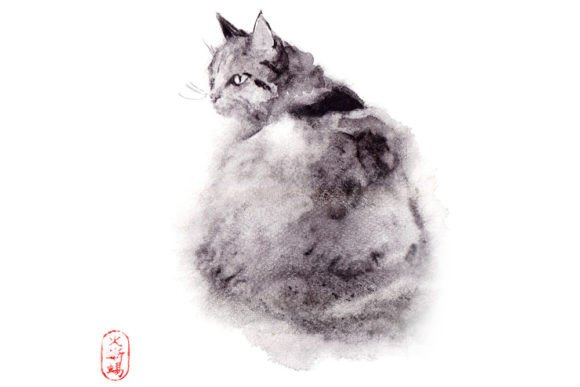
When you’re evaluating a new embroidery file for real-world use, you look beyond the thumbnail. You’re asking: will this design stitch out beautifully, resonate with a customer, and feel like a worthwhile addition to my collection? The Japanese Watercolor Zen Art - Cat Image immediately caught my eye for its serene, artistic vibe, but let’s break down how it translates from a graphic to a tangible, stitched product.
The First Impression: A Mood of Quiet Elegance
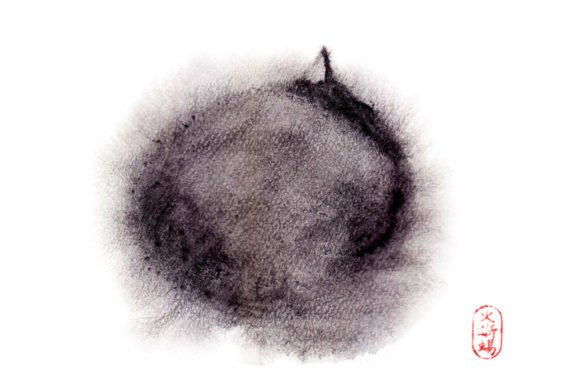
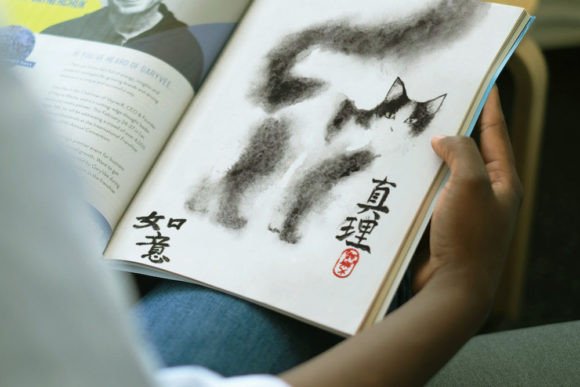
The design isn’t a typical bold, cartoon cat. It’s a piece of illustrations art, with the soft, flowing forms of hand-painted watercolor ink. That means it creates a mood of quiet elegance and calm. The visual personality is gentle, slightly abstract, and deeply stylish. For embroidery, this signals a project meant for someone who values subtlety and artistry over loud statements.
This Zen cat naturally belongs to projects where that mood is paramount: a custom apparel item like a linen apron for a home chef, a cozy pillow cover for a nursery or reading nook, or a beautifully understated tote bag for a boutique. I picture it on a high-quality baby blanket as a gentle, non-cliché motif. The layout feels balanced, with enough open space in the watercolor-style strokes to prevent the design from becoming a dense, heavy block of stitches.
Putting It On Fabric: Performance in Real Projects
Imagine you’re preparing an order for a personalized gift: a lightweight linen tea towel with this cat embroidered near the corner. The success here hinges on the stitch density. The watercolor aesthetic suggests gradients and soft edges. In embroidery, this often translates to clever use of fill stitch patterns and perhaps some running stitch for delicate outlines. If the file is well-digitized, those soft washes of color should stitch out without becoming overly thick, which is crucial for delicate fabrics.
On a sweatshirt embroidery or a canvas tote bag, the design would offer a sophisticated alternative to typical graphic logos. For your craft business, this could elevate a simple product into a small shop product with a higher perceived value. On a dark fabric, the key will be thread color contrast. The soft, likely lighter palette of the original painting needs to be adapted with sufficiently opaque threads to maintain its Zen feeling against a dark background.
For commercial embroidery applications, like a series of embroidered patches for a mindful brand, the clean, artistic lines could stitch up quickly and consistently. It’s a design that feels more like a signature than a decoration.
Where to Exercise Caution: Size and Surface Matter
The charm of this Japanese Watercolor Zen Art - Cat Image lies in its artistic detail, but that detail demands respect for scale. On very small hoop sizes, especially below a certain threshold, those beautiful watercolor bleeds and soft edges might lose definition and become a muddy cluster of stitches. Always test on scrap fabric first at your intended size.
Textured fabrics like boucle or heavily napped materials could obscure the soft gradients. Similarly, on stretchy fabric or curved surfaces like caps, the design’s peaceful, flat composition might distort if not stabilized properly. The use of a proper stabilizer is non-negotiable here to preserve that painterly feel.
Products that need frequent washing, like kitchen towels or baby clothes, require extra consideration. A design with very high stitch density can feel stiff and wear differently. The watercolor style, if digitized with a mindful density, should remain comfortable and durable.
Turning a Graphic into a Trusted Product
When a customer sees this design stitched onto a handmade product, the reaction you’re aiming for is a quiet “oh, that’s beautiful.” It speaks to visual appeal through artistry, not through clutter. That builds customer trust and elevates your handmade presentation. For an Etsy seller or creative entrepreneur, using such a distinctive piece can enhance brand consistency if your shop curates a calm, aesthetic vibe.
The giftability is high. This isn’t a generic image; it feels chosen and thoughtful for a wedding gift, a housewarming present, or a holiday embroidery item for someone who appreciates tranquility. In your digital product previews and printable mockups, this design will stand out as a premium design asset.
Practical Notes for the Embroidery Designer
Before you commit this to a client’s project or your next batch of small business merchandise, run these checks. Test the design on scrap fabric first, ideally on both a light and a dark scrap to check thread color contrast. Review stitch density by feeling the stitched sample—is it too stiff for the intended fabric?
Confirm hoop size suitability. Inspect small details like the cat’s subtle features to ensure they read clearly. It’s also wise to test it in black and white mockups to see how the composition holds up without color, which informs its strength as a design.
Most importantly, this file falls under the Graphics and Illustrations category. You must confirm licensing before selling finished items or digital products. Does it allow for personal and commercial projects? That due diligence is what separates a hobbyist from a professional.
The Japanese Watercolor Zen Art - Cat Image is more than a cute cat. It’s a mood piece. When stitched with care onto the right product, it tells a story of calm and craftsmanship. It’s a design that asks you to slow down, choose your fabrics thoughtfully, and create something truly special.