A Review of Flower Watercolor Art for Embroidery Projects
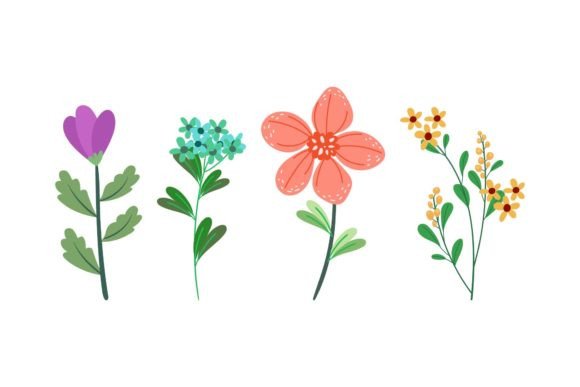
When I first open a new embroidery file, my mind immediately goes to its potential on fabric. Flower Watercolor Art is one of those designs that doesn’t just look pretty on a screen—it evokes a specific mood. The soft, flowing shapes and blended color transitions feel gentle and artistic, leaning towards a romantic or tranquil aesthetic. This isn’t a bold, graphic statement; it’s more of a whispered, elegant detail.
The Natural Fit: Where This Design Lives Best
Thinking about real projects, this design feels destined for items where that soft personality enhances the product’s purpose. Imagine a custom embroidered tote bag for a book lover, a delicate corner on a baby’s blanket or nursery pillow, or an apron for a kitchen that feels more like a cozy studio. It would shine as a personalized gift, like a wedding present or a birthday keepsake.
For small business owners and Etsy sellers, Flower Watercolor Art translates well into handmade product categories that value artistry over loud branding. A subtle embroidered patch on a linen tea towel, a single blossom on the chest of a relaxed-fit sweatshirt, or even as a focal point on a pillow cover for a boutique home decor line. Its visual personality is inherently giftable.
Considering the Stitch: Practical Performance on Fabric
In practical embroidery situations, the watercolor style presents both an opportunity and a consideration. The likely use of fill stitches and satin stitches to create those soft color blends means paying close attention to stitch density. On apparel like t-shirts or stretchy fabrics, a very dense area could feel stiff. This design would perform beautifully on stable fabrics like canvas for a tote, quilting cotton for a pillow, or a sturdy twill for an apron.
For custom apparel like caps or hats with curved surfaces, the larger, flowing shapes of this flower watercolor art are actually a plus—they’re less likely to get lost in the curve compared to tiny, intricate details. However, on dark fabric backgrounds, achieving that soft watercolor lightness requires thoughtful thread color selection. You might need to go a shade brighter than you think to maintain the airy feel.
Caution Zones: Where to Proceed with Care
Every design has its limits, and a wise embroidery designer tests boundaries. The detailed, blended areas in this illustration mean it’s probably not ideal for very small hoop sizes. Squeezing it into a tiny space could muddy the beautiful transitions.
I’d also be cautious with textured fabrics like some sweaters or loosely woven linens, where the fill stitch detail might not lay as cleanly. And for products destined for frequent washing, like kitchen towels or baby clothes, you’d want to test the stitch integrity on scrap fabric first, ensuring the design holds up.
Impact on Your Business and Customer
From a commercial perspective, using a design like this affects more than just the stitch. It influences customer trust and perceived value. A well-executed, artistic embroidery on a product speaks to quality and care, elevating a simple item into a handmade presentation that buyers appreciate. It fosters brand consistency if your shop vibe is gentle, creative, and personal.
For digital product sellers using these graphics for printable mockups or as part of their design assets, the clean, scalable vector files (like the AI and EPS mentioned) are crucial for professionalism. They allow for crisp previews that engage buyers.
Essential Designer Notes Before You Hoop
Before running this machine embroidery design for a client project or your own craft business merchandise, a few steps are non-negotiable. Always test the design on scrap fabric first, using the same material and stabilizer you plan for the final product. This reveals how the stitch density feels and how small details translate.
Check thread color contrast against both light and dark fabric backgrounds. Sometimes a design that looks perfect on screen needs a slight adjustment in palette for thread to keep its character. I even run a simple black and white mockup to check the clarity of the shapes without color distraction.
- Confirm the actual hoop size required for your specific machine and the design’s dimensions.
- Inspect the small details in the provided files to ensure they are clear and not too fine for your machine’s capability.
- Use proper stabilizer suited to your fabric—this is key for a design with likely blended fills.
- Most importantly, confirm the licensing terms for this embroidery file before selling finished items or commercial embroidery projects. The product description notes digital files for use, but you must verify your rights for commercial application.
Remember, details like exact stitch count or specific machine compatibility aren’t provided here, so verifying those with your own software or from the seller is a must.
The Final Impression: A Design for Thoughtful Creation
Flower Watercolor Art strikes me as a graphics set for the thoughtful maker. It’s not a one-size-fits-all stamp, but a design that invites you to consider fabric, product purpose, and execution. When stitched well on the right item, it adds a layer of artistic value that customers and gift recipients genuinely notice. It moves beyond mere decoration into a small piece of crafted art, which is exactly what elevates a hobby into a business and a simple product into a cherished item.
My advice is to see it as a versatile component in your creative arsenal. Pair it with simple, quality materials, and let its soft mood do the talking. Your embroidery project will carry that confidence.