An Embroidery Designer's Review of a Watercolor Deity
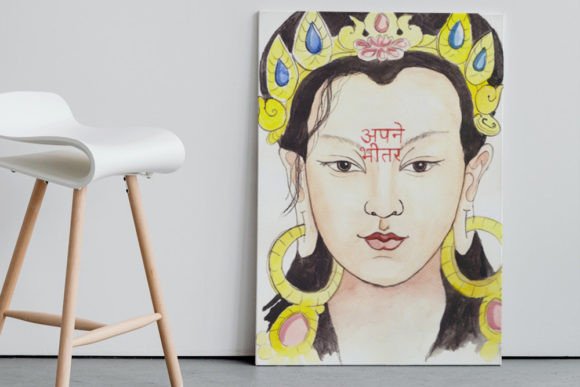
When you’re sourcing embroidery designs for real client work or your shop inventory, you look for something beyond a pretty picture. You need a design that will translate beautifully into stitches, resonate with customers, and hold up on the finished product. That’s the lens I’m using to look at Indian Deity - Watercolor Illustration.
The First Impression: A Soft, Spiritual Mood
Opening this file, you immediately feel its hand-painted, watercolor origins. It’s not a hard-edged graphic; it carries a soft, spiritual mood with gentle color blends and organic shapes. The theme is distinctly reverent and artistic. For an embroidery designer, this means the design’s personality leans towards meaningful gifts, boutique items, and decor rather than casual, everyday graphics. Its detail level is illustrative—not overly simplistic, but not overwhelmingly dense either. It feels like it belongs on products meant to be cherished.
Where This Design Naturally Belongs
I picture this on a custom embroidered pillow cover for a meditation space, or as a central motif on a high-quality tote bag for a yoga studio. It would be stunning as a gift—think a wedding gift for a couple who appreciates cultural art, or a personalized baby blanket for a nursery with a serene theme. For a small shop, this design could elevate a simple sweatshirt into a thoughtful, artistic statement piece. The watercolor style adds a handmade, painterly touch that aligns perfectly with the values of craft businesses and Etsy sellers.
Performance in Real-Life Embroidery Projects
Let’s walk through a real scenario. Imagine you’re preparing an embroidered tote bag as a limited-run product for your boutique. You choose this deity illustration. On a natural canvas bag, the watercolor softness of the design will translate into fill stitches with subtle color transitions. The outcome won’t be a harsh, blocky image; it will have an artistic, almost textured look that customers associate with quality handmade products.
On apparel like sweatshirts or t-shirts, it creates a focal point that’s decorative but not loud. For baby clothes or nursery decor, it offers a gentle, protective symbolism that parents often seek. As an embroidered patch, it would be intricate and conversation-starting. On kitchen towels or aprons, it might be less fitting unless specifically for a decorative, non-utilitarian line. Its true strength shines on items meant as keepsakes, gifts, or artistic expressions—pillow covers, blankets, framed patches, and special occasion apparel.
Visual Appeal and Customer Trust
Using a design of this caliber affects your product’s perceived value. The artistic origin adds a layer of authenticity. When a customer sees this embroidery, they recognize it’s not a generic clip-art graphic; it feels commissioned and cared for. That builds trust in your brand as a curator of quality designs. For giftability, it scores highly—it’s unique, meaningful, and visually engaging. In your Etsy listings or craft fair displays, it helps your products stand out as professionally designed and thoughtfully executed.
Caution and Careful Application
The watercolor illustrative style brings some practical considerations. First, small hoop sizes could be a challenge. If the design has fine details or color gradients, shrinking it too much might muddy those beautiful blends. Stitching it on highly textured fabrics like certain linens might lose some clarity. On thin or stretchy fabric, you’ll need excellent stabilizer to prevent distortion.
Dark fabric backgrounds require careful thread color planning—you need enough contrast to maintain the design’s luminous watercolor feel. On curved surfaces like caps, test it first; some detailed corners might need simplification. Also, consider the end use: products that need frequent washing, like everyday wear, might benefit from a simpler version if the stitch count is very high. The key is to match the design’s intricacy with a product that can support and showcase it.
Practical Notes for the Embroidery Designer
Before you commit to a production run, do these things:
- Test on scrap fabric first. Use the same material you plan for the final product.
- Check thread color contrast against your fabric, both light and dark backgrounds.
- Review the stitch density in the embroidery file. Is it suitable for your chosen fabric weight?
- Confirm the minimum hoop size needed to keep all details clear.
- Inspect small details in a stitched sample to ensure they read well.
- Run a black and white mockup to see if the composition holds its shape without color.
- Use proper stabilizer for the fabric type; this is crucial for illustrative designs.
- Most importantly, check the licensing provided with this digital embroidery file. Confirm it allows for commercial use if you’re selling finished products or using it in client projects.
Since specific details like exact stitch counts, included file formats, or explicit license terms aren’t provided in the description I saw, it’s your responsibility to obtain and verify that information directly from the seller before use.
The Final Take: A Design for Meaningful Making
Indian Deity - Watercolor Illustration isn’t a design for every project. It’s a design for the right project. Its value lies in its artistic mood and thematic depth. For embroidery designers and makers looking to create products with heart—personalized gifts, boutique merchandise, or decor with a story—this design offers a powerful foundation. It asks for a bit more care in preparation and application, but the finished product, a beautifully stitched representation of hand-painted art, can be truly special. It engages buyers looking for more than just decoration; they’re looking for a piece with spirit. Your job is to ensure your embroidery technique honors that intention.