Watercolor Easter Gnome: A Designer’s Review for Real Embroidery Projects
When a new design file lands in my collection, I don’t just look at the preview. I mentally stitch it out. I think about how it will feel under the needle, how it will look on fabric, and what kind of project it truly belongs to. Today, I’m considering the Watercolor Easter Gnome Svg. This isn’t a generic product description; it’s a practical design judgment from the point of view of someone who turns graphics into tangible, stitched products for clients, my small shop, and personal gifts.
The First Impression: Whimsy Meets Softness
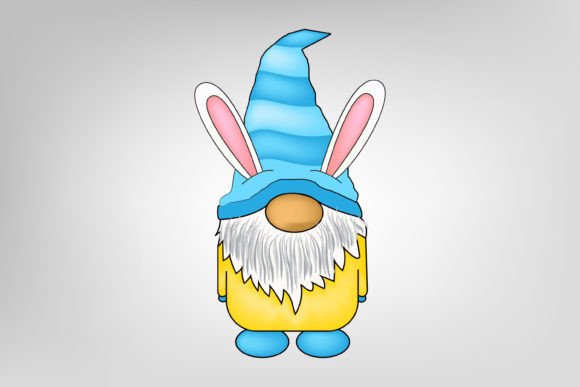
The immediate mood of this gnome design is gentle and cheerful. It carries that soft, watercolor aesthetic—blended edges and a sense of lightness. This isn’t a hard-edged, graphic logo. The shape feels organic, the theme is unmistakably spring and Easter, and the layout suggests a central, friendly character perfect for a focal point. The detail level appears balanced: enough character in the gnome’s features and accessories to be interesting, but not overwhelmingly dense. Its visual personality is whimsical and approachable, which tells me it naturally belongs to projects meant to evoke warmth and celebration.
Where This Design Finds Its Perfect Home
In real-life embroidery situations, this watercolor gnome has a clear niche. For custom apparel, I envision it beautifully on the front of a lightweight sweatshirt or a child’s t-shirt for Easter. It would be charming on a linen tote bag for spring market trips or a baby clothes item like a romper for a festive photo. As an embroidered patch, it could be applied to a canvas hat or a simple apron for a boutique kitchen brand. It feels ideal for pillow covers in a nursery or sunroom, tea towels as a holiday gift, or even blankets as a personalized touch. For small business merchandise, this design could elevate a simple product into a seasonal standout for Etsy listings or craft fair offerings.
The Practical Stitch-Out: Considering Fabric and Form
Embroidery is a translation from screen to stitches, and a watercolor style design requires some thoughtful planning. The blended, softer edges likely translate to fill stitches with thoughtful color gradation or possibly a combination of techniques. On textured fabrics like a heavyweight cotton tote, the design’s softer feel might need crisp satin stitch outlines to maintain definition. On thin or stretch fabric like a t-shirt, a robust stabilizer is non-negotiable to prevent the potentially detailed areas from puckering.
I would use this carefully on very small hoop sizes. The charm is in the whole character, so shrinking it too much might lose the gentle expression in the gnome’s face. On dark fabric, the color palette needs scrutiny—the watercolor lightness requires thread colors that pop against the background, not just blend into it. Embroidering on curved surfaces like caps demands checking how the rounded layout adapts to the curve. The design’s decorative accents, like any small floral elements, need clear stitching clarity so they don’t become muddy blobs of thread.
A Real Scenario: The Embroidered Spring Tote
Let’s walk through a real case. I’m preparing a custom embroidered tote bag for a client’s spring boutique. They want something festive, handmade, and giftable. I load the Watercolor Easter Gnome Svg. My first step isn’t stitching the bag; it’s stitching a scrap of the same canvas fabric. I check thread color contrast, reviewing the stitch density in the gnome’s body and hat to ensure it won’t be too stiff on the flexible bag material. I confirm my hoop can accommodate the full design without cramping it. I inspect the small details, like any tiny line work, to see if they’ll hold up after the tote’s use and washing. The result? A tote that feels special, not generic. The watercolor style gives it a painterly, handmade product vibe that increases perceived value and customer trust. It aligns with a boutique brand leaning towards soft, artistic presentation. It’s highly giftable and carries immediate seasonal recognition.
How This Design Impacts Your Work and Business
Using a design like this isn’t just about a single project; it’s about the effect on your craft. The visual appeal of a well-executed watercolor gnome on a finished product enhances professionalism. It shows you’ve chosen a design with personality, not just a clip-art graphic. For buyer engagement, especially in online shops like Etsy, a product featuring this embroidery stands out in a sea of harder-edged designs. It tells a story of spring and whimsy, which connects emotionally. For brand consistency, if your small shop specializes in soft, illustrative styles for nursery decor or holiday gifts, this fits seamlessly.
However, its softer aesthetic might not suit every product line. On items needing very bold, crisp branding, or on layered garments with complex seams, the delicate feel might get lost. It’s perfect for projects where the embroidery is the star, not just an accent.
Essential Designer Notes Before You Hoop It
Before you commit this design to a client project or your shop inventory, do your due diligence. Always test the design on scrap fabric first. Match the fabric type and weight to your final project. Check thread colors not just on-screen, but with physical threads against your fabric. Review the stitch density in your embroidery machine software—does it look balanced for the size you plan? Confirm the effective hoop size needed; don’t assume. Test the design in black and white mockups to evaluate its form without color, and compare how it would look on both light and dark fabric backgrounds.
Use proper stabilizer for your chosen fabric; a watercolor design with varied fills might be more susceptible to distortion. Crucially, check whether the design’s license covers your use. Are you making a personal gift, or are you selling the finished tote bags as part of your craft business? Confirm licensing before selling finished items. For digital product sellers offering printable mockups using this artwork, ensure your license permits that derivative use. The Watercolor Easter Gnome Svg falls under Illustrations and Graphics, so understanding its terms as an embroidery asset is key.
This design, when approached thoughtfully, can become a wonderful asset for spring-themed embroidery projects. It brings a specific mood and quality that, when stitched well on the right product, turns a simple graphic into a cherished personalized gift or standout small shop product. Its value lies not just in its Easter theme, but in its artistic style that translates embroidery into something that feels painted, soft, and genuinely handmade.