Sleeping Cat Zen Watercolor Design for Embroidery
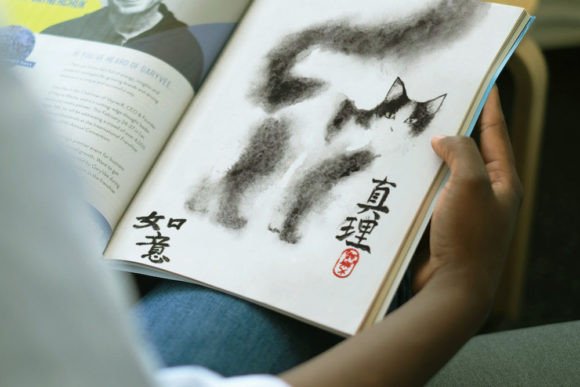
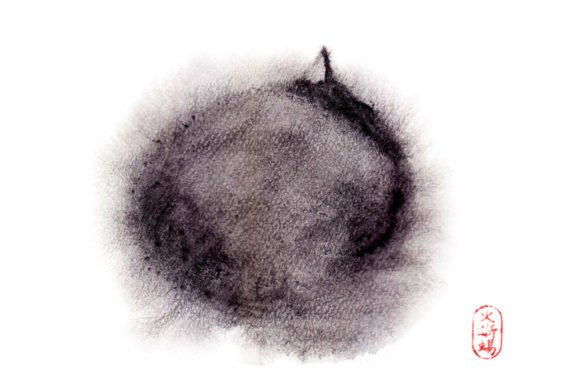
When a client asks for a design that feels peaceful, personal, and a little bit artistic, my mind often goes straight to watercolor styles. They have a softness that embroidery can beautifully capture. So, when I look at the Sleeping Cat Watercolor Zen Illustration, my first thought isn’t about technical specs—it’s about the quiet mood it creates. This isn’t a bold, graphic logo; it’s a gentle scene. The flowing lines and subtle color transitions of the original painting suggest a design meant for contemplation, for a cozy gift, or for a product that whispers rather than shouts.
The Kind of Project This Design Belongs To
This illustration has a specific personality. It’s not for a sporty cap or a high-energy team shirt. Instead, it feels perfectly suited for items that invite calm. I immediately picture it on a linen pillow cover in a reading nook, a soft baby blanket in a nursery, or a lightweight tote bag for a quiet afternoon out. For small business owners, especially those on Etsy selling handmade home decor or personalized gifts, this design offers a ready-made sense of style. It’s that kind of asset that can elevate a simple tea towel or apron into a boutique product.
Imagine preparing a custom embroidered sweatshirt as a holiday gift for a friend who loves cats and values serenity. Using this design wouldn’t just add a cat; it would add a specific feeling. That’s the power of choosing an illustration with a strong artistic foundation. The ‘Zen’ aspect isn’t just a label; it’s communicated through the relaxed posture of the cat and the watercolor’s fluid aesthetic. In a world of busy graphics, this stands out by being deliberately soft.
Thinking Through the Stitching Reality
Moving from the beautiful image to a real embroidery project requires some practical translation. Watercolor illustrations have lovely blurring and blending of colors. In embroidery, we replicate that with fill stitches and careful thread color choices. The success of this Sleeping Cat Watercolor Zen Illustration as an embroidery file will hinge on how those color gradients are translated into stitch areas.
For apparel decorators, this means considering fabric background intensely. On a light-colored, smooth fabric like a cotton tote or a classic t-shirt, the design’s subtle shades will likely shine. On a dark or heavily textured fabric—think a dark denim jacket or a thick, nappy blanket—those same subtle gradients might get lost unless the digitizer has planned for excellent contrast. This is a design where I would absolutely advise testing on a scrap of your intended project fabric first. You need to see how the chosen thread colors play against your material.
Where This Design Should Be Used Carefully
Some projects demand extra consideration. The design appears to have fine lines and details inherent to its hand-painted origin. On a curved surface like a cap, or on stretchy fabric for a fitted sweatshirt, very small details can become distorted or hard to stitch cleanly. A larger hoop size would be beneficial here to preserve the illustration’s integrity.
Also, consider stitch density. A design with large, solid fill areas can become very stiff on lightweight fabrics like a silky baby onesie or a thin linen kitchen towel. Proper stabilizer choice is non-negotiable. If the design is intended for items that need frequent washing—like an apron or a favorite pillow cover—you’ll want to ensure the stitching is secure and the thread colors are durable to maintain that handmade presentation and customer trust over time.
How It Affects Your Product’s Appeal and Value
From a business perspective, using a design like this isn’t just about decoration; it’s about storytelling. For creative entrepreneurs, it helps build brand consistency if your shop focuses on calming, nature-inspired, or artistic goods. A customer browsing your handmade products sees this embroidered on a pillow and immediately gets a sense of your shop’s aesthetic. It increases giftability because it feels personal and thoughtful, not generic.
For commercial embroidery projects, such as creating a line of merchandise for a small shop, this design adds a layer of professionalism. It looks like a considered choice, not a random clipart. That boosts buyer engagement. People are drawn to artwork that feels unique. The description mentions it’s part of a series of 100 unique works, which suggests it has a special character that could make your finished product stand out at a craft fair or in an online listing.
A Real Scenario: Preparing a Custom Embroidered Tote
Let’s walk through a real case. I’m preparing a batch of custom embroidered tote bags for a local boutique. They want something elegant and subtle. I select this sleeping cat design. My first step is to run it on a scrap of the bag’s canvas fabric. I check the thread color contrast—does the light fur against the darker watercolor background read clearly? I inspect the small details, like the delicate ink lines, to ensure they’ll be distinct.
I also test the design in a simple black-and-white mockup to see how the composition holds up without color, which helps me understand its core shape. Then, I compare it on both a light and dark fabric background mockup to offer the boutique owner options. This practical prep work ensures the final product isn’t just technically correct; it’s visually compelling. The tote bag becomes more than a bag; it becomes a piece of wearable art, increasing its perceived value.
Essential Notes for Embroidery Designers and Makers
Before committing this design to a client project or your own product line, a few checks are vital. Since specific technical details like exact stitch count or included file formats weren’t provided in the basic description, your first task is to confirm those details with the seller. You need to know the available hoop sizes, machine compatibility, and whether it’s set up for techniques like appliqué or is purely satin and fill stitch.
Crucially, you must confirm the licensing. Can you use it for personal projects only, or does it include commercial use for selling your finished embroidered items? This is fundamental for Etsy sellers, small shop owners, and anyone creating merchandise. Never assume.
- Test the design on scrap fabric first to judge thread colors and density.
- Review stitch density for the chosen fabric weight.
- Confirm the minimum recommended hoop size for detail preservation.
- Use proper stabilizer suited to your fabric and the design’s coverage.
- Check if small details remain clear at your intended size.
- Ensure it works for both light and dark backgrounds if you plan varied products.
- Always verify licensing before selling any finished product or digital product preview.
The Sleeping Cat Watercolor Zen Illustration presents a beautiful opportunity. Its artistic roots offer a mood that embroidery can uniquely express. By approaching it with this practical, real-world mindset—thinking about fabric, thread, product context, and licensing—you can transform a lovely graphic into an even more lovely, durable, and valuable embroidered finished product. It’s a design that asks for a thoughtful approach, and the results, for your clients or your customers, will be worth that care.