A Zen Bamboo Embroidery Design for Modern Crafters
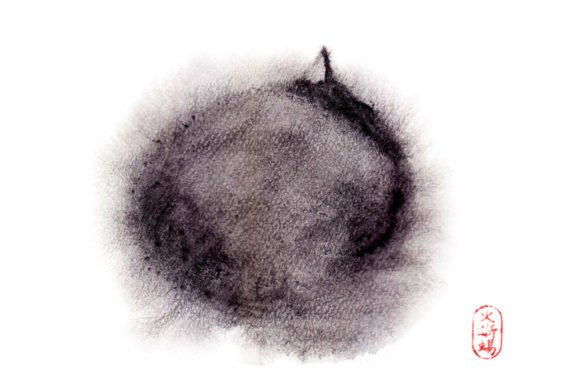
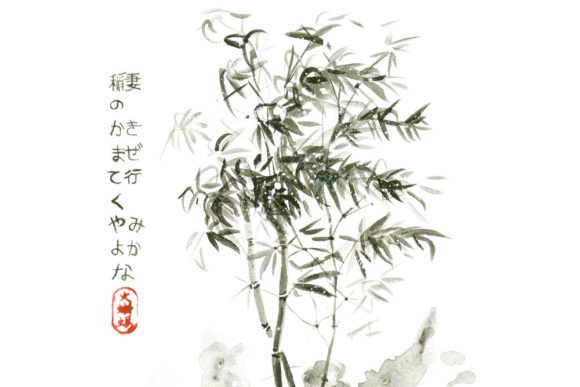
When you're scrolling through thousands of embroidery files looking for the next design for your shop or client, you develop a gut feeling. You see a design and immediately picture it stitched out—the fabrics it would suit, the products it would elevate, the customers who would smile upon seeing it. The Watercolor Japanese Zen Painting, Bamboo design triggered that exact reaction for me. It’s not just a graphic; it’s a mood.
The Immediate Atmosphere of This Zen Bamboo Design
Right away, this design conveys calm. The hand-painted, watercolor-and-ink aesthetic translates into a soft, organic feel that’s perfect for embroidery. Unlike harsh, geometric patterns, this bamboo illustration has a gentle flow. The lines aren’t rigid; they suggest movement and natural growth. This visual personality makes it a strong candidate for products where you want to evoke serenity—think baby nursery decor, mindful personalized gifts, or boutique home goods like pillow covers and tea towels.
The layout is balanced, with the bamboo stalks creating a graceful vertical composition. The level of detail is interesting: it appears detailed, but the watercolor style means those details are blended, not sharply defined. For an embroidery file, this is a benefit. It means the design won't demand microscopic satin stitches or impossibly fine running stitches to capture its essence. It’s an illustration that understands its final medium.
Where This Design Shines in Real Projects
Let’s get practical. I imagined this design on a custom organic cotton tote bag for a local boutique. The result in my mind was instantly professional and artistically cohesive. The Zen theme aligns perfectly with eco-friendly, mindful brands. It would stitch out beautifully on the bag’s flat panel, with the fill stitches creating a lovely textured, painterly effect.
For apparel decorators, consider a linen-blend sweatshirt. The design’s softness contrasts nicely with the casual garment, elevating it. It feels more like a wearable art piece than a standard logo. For baby clothes, like a little kimono-style top or a blanket corner, the bamboo theme is classic and gentle, avoiding overly cartoonish or loud motifs.
As a embroidered patch, this design has huge potential. Its artistic quality makes it feel premium. You could apply it to caps, aprons, or denim jackets for a unique, handmade touch. For holiday gifts or wedding gifts, embroidered onto a kitchen towel or pillow cover, it carries a meaning—growth, resilience, simplicity—that enhances the gift’s value.
For digital product sellers and Etsy sellers creating printable mockups or selling the finished design assets, this graphic provides a strong, aesthetic foundation. It lends itself to clean, minimalist branding in your shop listings.
The Careful Considerations for Stitching Success
Confidence comes from knowing a design’s limits, too. The watercolor style implies soft edges and blended color areas. On very small hoop sizes, some of that subtlety might be lost. I wouldn’t push it onto a tiny, 3-inch area if you want to preserve its painterly feel.
Textured fabrics like heavy canvas or tweed could interact beautifully with the stitches, but on thin fabric or stretchy fabric like jersey, you’ll need excellent stabilizer to maintain the design’s integrity without puckering. Dark fabric backgrounds are a fascinating proposition here. The design’s lighter, ink-like lines would pop, but you’d need to thoughtfully select your thread colors for contrast—perhaps lighter greens and grays instead of dark tones.
On curved surfaces like caps, the main vertical stalks should orient well, but test the design placement first. The corners aren’t overly detailed, so that’s a plus for application. This isn’t a design with tiny lettering or overly dense stitch areas that risk thread buildup, which is good news for products needing frequent washing, like tea towels or baby items.
How This Design Builds Your Product's Appeal
Using a design like this affects more than just aesthetics. It boosts customer trust because it feels intentionally chosen, not generic. It enhances the handmade presentation, suggesting artistry over mass production. For a craft business, it can contribute to brand consistency if your vibe is calm, natural, or artistic.
The giftability factor is high. People recognize bamboo as a symbol of strength and flexibility, making the embroidered item feel thoughtful. For small shop merchandise, this can lead to better buyer engagement—customers are more likely to comment on or share a product that feels uniquely beautiful.
A Designer's Practical Notes Before You Hoop It
My final thoughts are always a checklist. For the Watercolor Japanese Zen Painting, Bamboo design, here’s what I’d do.
- Test it on scrap fabric first. Use the same material you intend for the final product. See how the stitch density feels and how the colors blend.
- Check thread color contrast. The watercolor look may require a slightly different palette than the digital preview suggests. Experiment.
- Confirm your hoop size. Ensure the design dimensions fit your product area comfortably, allowing the composition to breathe.
- Inspect the small details in your test stitch-out. Are any fine lines translating clearly? Adjust stitch types if needed.
- Test it in black and white mockups if you’re using it for digital previews to ensure it works across different presentation styles.
- Compare light and dark fabric backgrounds in your mind or with quick tests. This design could be versatile across both.
- Always use proper stabilizer for the fabric. This is key to maintaining that soft, painterly effect without distortion.
- Crucially, check whether the design works for both personal and commercial projects. Verify the licensing terms from the seller before selling your finished items or using it in your commercial embroidery work. This information is essential for creative entrepreneurs and makers building a business.
This machine embroidery design stands out in the Illustrations category because it brings a genuine artistic sensibility to the digital Graphics space. It’s not just a pattern; it’s a translated painting waiting for your thread to bring it to life on fabric. Approach it with a mindful, practical eye, and it will reward your projects with a distinctive, serene character that customers and clients will appreciate.