A Watercolor Wellies Design Built for Real-World Projects
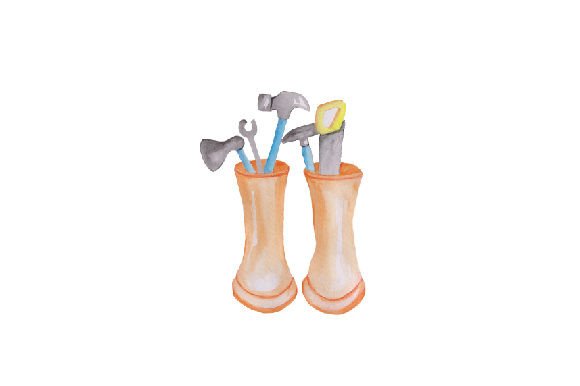
When I first opened the Wellies, with Building Tools - Watercolor embroidery file, my immediate thought wasn't about its technical specs. It was about the mood it creates. This isn’t a hard-edged, technical blueprint. It’s a soft, playful illustration that feels hand-drawn. The watercolor style immediately suggests a project that’s friendly, creative, and slightly nostalgic—perfect for crafting something with a personal touch.
The Personality of This Design: Where It Naturally Belongs
The layout is clever. The wellies and tools aren't just stacked; they have a loose, artistic arrangement that avoids being too cluttered or too sparse. This level of detail is a sweet spot for embroidery: it’s visually interesting without being so dense that it becomes a stitching nightmare on smaller items. The design’s personality is practical yet whimsical. It doesn’t shout “industrial workshop”; it whispers “creative maker’s space.” This tells me it belongs on items for gardeners, DIY enthusiasts, crafters, builders, or anyone who enjoys hands-on projects. It’s a natural fit for personalized gifts and small shop merchandise with a handmade feel.
Thinking Through a Real Project: A Custom Embroidered Tote
Let’s say I’m preparing a custom embroidered tote bag for a client who runs a small carpentry workshop. I’m considering this design. The watercolor softness would contrast beautifully with the utilitarian nature of a tote, making it a unique, brand-conscious accessory rather than a generic logo. On a medium-weight canvas bag, the design’s varied elements—the boots, the hammer, the wrench—would each have room to breathe. I’d envision using a mix of fill stitches for the larger color blocks and running stitches or finer satin stitches for the tool outlines to capture that sketched quality. The result wouldn’t look like a mass-produced patch; it would look like a thoughtful, custom artwork.
Where This Design Excels in Your Project Portfolio
Wellies, with Building Tools - Watercolor performs well across a range of real-life embroidery situations. For custom apparel like sweatshirts or aprons, it offers a thematic decoration that’s more illustrative than a plain text logo. On baby clothes or nursery decor for a family in the trades, it’s a sweet, subtle nod to a parent’s profession. As a standalone embroidered patch, it has enough character to be interesting on a cap or backpack. For holiday gifts—think Father’s Day, birthdays for a handy person—it elevates a simple pillow cover or kitchen towel into a meaningful present. In a craft business context, this design could anchor a whole line of Etsy listings for maker-themed goods, from tea towels to blanket corners. Its watercolor style also lends itself beautifully to printable mockups and digital product previews, adding visual appeal before the first stitch is even made.
Practical Considerations: Where to Use Caution
While the design is versatile, a practical review requires honesty about its limits. The watercolor style implies softer edges and blends, but in embroidery, that’s achieved through stitch placement and color choice. On very small hoop sizes, some of the smaller tool details might merge or lose clarity. Stitching on highly textured fabrics or stretchy fabric like thin t-shirts could distort those softer lines. If you’re considering dark fabric, you’ll need to think carefully about thread color contrast—some of the lighter watercolor tones might need to be adjusted to pop. On curved surfaces like caps, the wider layout might require careful centering to ensure it sits flat and looks intentional. This isn’t a design I’d automatically choose for a tiny, dense decorative accent on a cuff; it’s meant for a central, featured spot.
How This Design Impacts Your Work’s Appeal and Value
Using a design like this affects more than just the stitch count. It impacts visual appeal by offering a finished product that looks artistic and considered, not just functional. That boosts product value and customer trust—they see you’ve chosen a design with character. For handmade presentation and brand consistency, it reinforces a creative, thoughtful identity. Its inherent giftability is high because it feels personal. For a small business owner, it can help with buyer engagement by telling a little story on the product itself. A well-executed embroidery of this file demonstrates professionalism in your craft, showing you understand how to match a design’s style to a suitable project.
Embroidery Designer Notes for a Successful Project
Before you load this file and start stitching for a client or your shop, here are my grounded, real-use notes:
- Always test on scrap fabric first. Use the same material and weight as your final project. This tells you how the watercolor elements translate into actual stitches.
- Check thread color contrast against your final fabric, especially if deviating from a light background. Some hues in the design preview might need to be slightly intensified for clarity.
- Review the implied stitch density in the preview. Areas like the boot soles or tool handles might be denser than the wash of color on the boots. Plan your stabilizer accordingly.
- Confirm the physical hoop size you’ll need. The design’s provided formats (SVG, PNG, EPS, DXF) are great for scaling and preview, but you need to know your machine’s compatible hoop size for the scaled version.
- Inspect the small details in the tools when scaled to your desired size. Make sure lines don’t become too thin to stitch cleanly.
- Test the design in a black and white mockup to understand its form without color, and compare how it looks on light and dark fabric backgrounds digitally before stitching.
- Use a proper stabilizer for your chosen fabric. This design has variety in its elements, so good stabilization is key to maintaining that watercolor “softness” without puckering.
- Crucially, check the licensing terms provided with the file. Before selling finished items or using it in commercial embroidery, confirm it’s cleared for personal and commercial projects. This is a fundamental step for any digital embroidery file you use in your business.
In the end, Wellies, with Building Tools - Watercolor is more than a Spring-themed Crafts file. It’s a design asset with a specific, appealing character. Its success in a real embroidery project depends on pairing its artistic mood with a suitable application and executing it with the practical care that turns a good digital file into an exceptional finished product. For the crafter, boutique owner, or apparel decorator looking for a design that communicates creativity and hands-on passion, this one offers a solid, stylized foundation.