A Practical Review of Happy Spring, Watercolor for Crafts
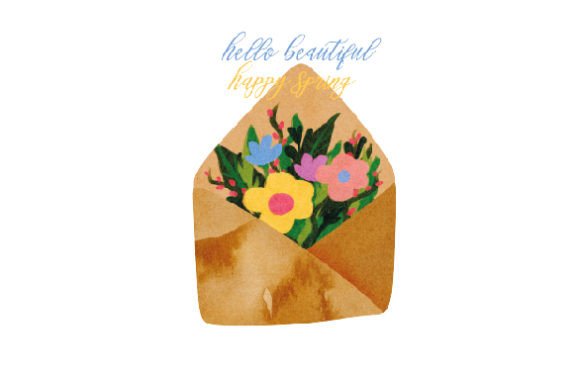
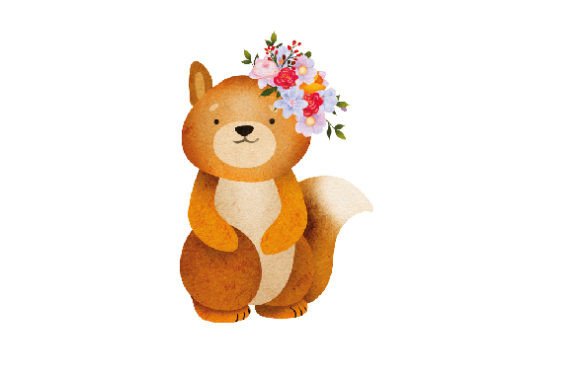
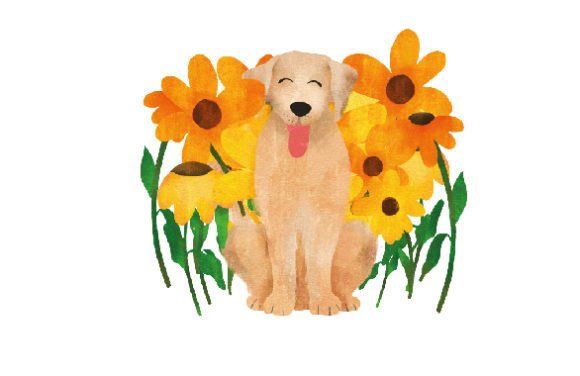
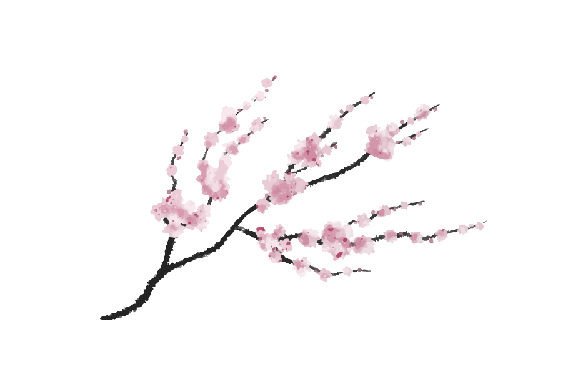
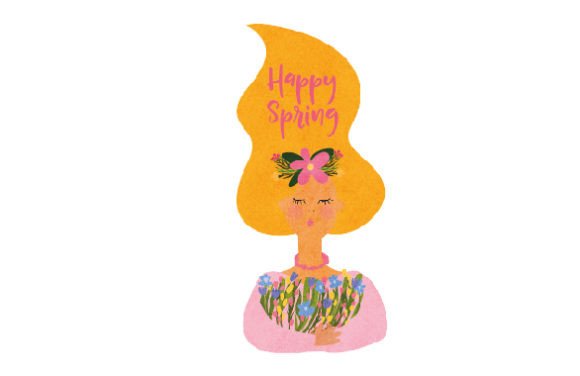
When preparing a new seasonal collection for my Etsy shop, the first thing I look for in a design asset is its immediate mood and commercial potential. Opening the Happy Spring, Watercolor file, my first impression is one of gentle, celebratory warmth. The design carries a distinctly handmade, decorative personality—it feels playful and feminine without being overly cute, landing it squarely in the niche of spring-themed crafts and home decor. This visual personality suggests an audience that appreciates a softer, artistic touch: think customers for printable wall art, greeting cards, or nursery prints, rather than those seeking bold, minimalist branding.
Testing Happy Spring Across Product Types
Before I ever publish a listing, I test a new graphic like this across several real product-selling scenarios. The provided formats—SVG, transparent PNG, EPS, and DXF—are crucial for this. The SVG file is my starting point for Cricut projects: I immediately check its cut lines for potential sticker designs or planner stickers. Are the shapes clean and separate enough for the machine to read? For the PNG, I drop it onto a t-shirt mockup and a mug design template to see how the watercolor texture scales. Does it look crisp as a large graphic, or does it become muddy? This design, with its soft blends, works beautifully as a large-scale graphic for tote bag prints or tumbler wraps, where the watercolor effect adds a premium, artistic feel.
I also integrate it into a Canva template to gauge its versatility for other digital product creators. Pairing Happy Spring, Watercolor with different font styles—a clean sans-serif for modern invitation templates, a playful script for greeting cards—shows how adaptable it is. This step is vital for building product bundles, like a spring-themed digital paper pack or scrapbooking kit.
Where This Design Excels in Product Presentation
For online selling, product presentation is everything. This watercolor illustration can significantly boost the perceived value of your listings. In mockup previews, its soft colors and artistic texture create an immediate sense of quality, helping with visual storytelling for a seasonal collection. When used in thumbnail images for a marketplace like Creative Fabrica or Shopify, the design’s gentle appeal can improve click-through potential, especially if it stands out against a clean, white background. It’s perfect for large product previews on Etsy, where detail matters, and for decorative layouts in social media promos or blog graphics announcing a new spring line.
Furthermore, using a consistent design asset like this across a product bundle—say, a set of printable wall art, sublimation designs, and social media templates—builds brand consistency. It tells a customer that your shop offers cohesive, thoughtfully curated digital products, which builds customer trust.
Potential Pitfalls and Seller Checks
Even with a lovely design, commercial use requires careful testing. The watercolor style of Happy Spring, Watercolor means it should be used cautiously in certain contexts. For tiny sticker details, the soft edges and blended colors might not provide the sharp contrast needed for a clean cut on a Cricut or Silhouette project—always inspect the SVG paths. In overly complex layouts or crowded thumbnails, the design could lose its impact and become visually noisy.
It’s also critical to test how it looks on dark backgrounds. The light, spring-themed colors might suffer from weak contrast, making it less suitable for products like dark-themed packaging design without a background adjustment. For print-on-demand products, always test print colors; a watercolor palette can sometimes translate differently in physical printing versus digital mockups. Finally, verify the PNG transparency thoroughly. A flawed transparency can ruin a product mockup, making a t-shirt graphic or mug design look amateurish.
Practical Steps Before You List
My process before adding any digital product to my shop involves a few key steps with assets like this. First, I organize the files clearly for future customers, labeling each format appropriately. Then, I confirm the commercial licensing terms—never assume. Next, I create a series of realistic mockups: a greeting card, a sublimation pillow, a digital planner insert. I preview these mockups as small marketplace thumbnail images to see if the design remains appealing at that scale.
I also experiment with font pairings beyond the initial test. How does Happy Spring, Watercolor look alongside a rustic display font for a farmhouse-style product, or a serif font for a more elegant invitation? This exploration often sparks ideas for additional products, like invitation templates or blog graphics, expanding a single asset into a mini-collection.
Final Thoughts for Creative Entrepreneurs
Happy Spring, Watercolor is a versatile graphic design asset with strong appeal for spring-focused crafts and commercial products. Its value lies in its ability to elevate product presentation, adding a handmade, decorative touch that resonates with a specific audience. For Etsy sellers, print-on-demand sellers, and Canva template creators, it serves as a solid foundation for a range of digital downloads and merchandise graphics.
However, its successful use hinges on realistic testing. By checking its performance in real-world applications—from SVG cut quality to mockup thumbnail appeal—you can avoid common pitfalls and ensure your final products look professional. When integrated thoughtfully into a themed bundle or seasonal collection, this kind of design asset becomes more than just clipart; it becomes a tool for building a more cohesive and trustworthy small business branding in the creative marketplace.